New York City has officially adopted the “City of Yes for Housing Opportunity,” a zoning amendment designed to modernize the city’s land-use regulations. This initiative represents the most significant overhaul of residential zoning since 1961, aiming to alleviate the chronic housing crisis by increasing opportunities for residential development.
The City of Yes for Housing Opportunity zoning amendment, adopted on December 5th, 2024, seeks to stimulate development across all five boroughs, ensuring that every neighborhood contributes to the city’s growth. The primary objective is to expand the housing supply by increasing the number of market-rate and affordable residences. Key strategies include reducing obstacles to building, such as eliminating parking requirements in certain areas and allowing for increased density for new developments.
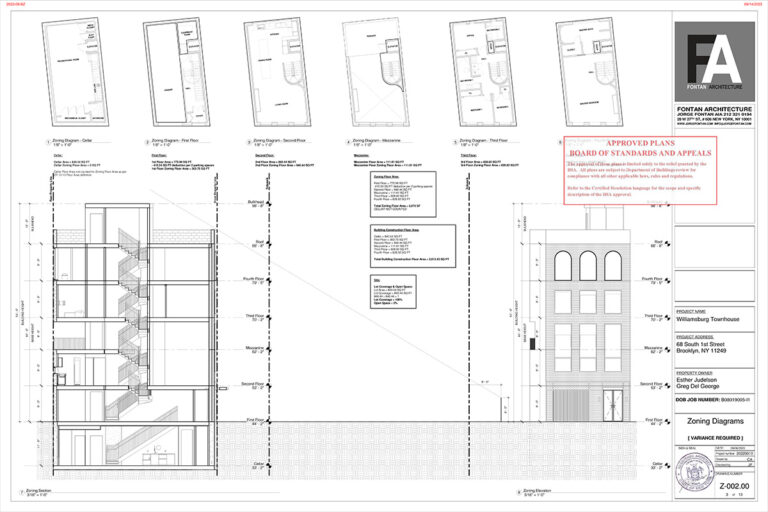
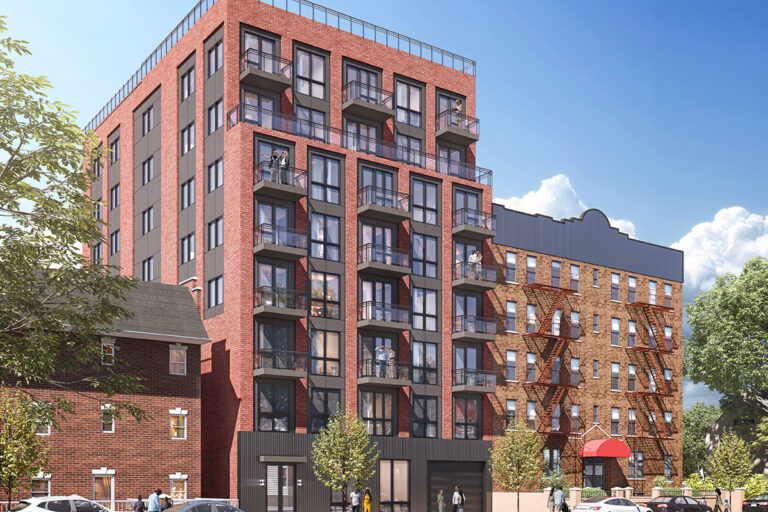
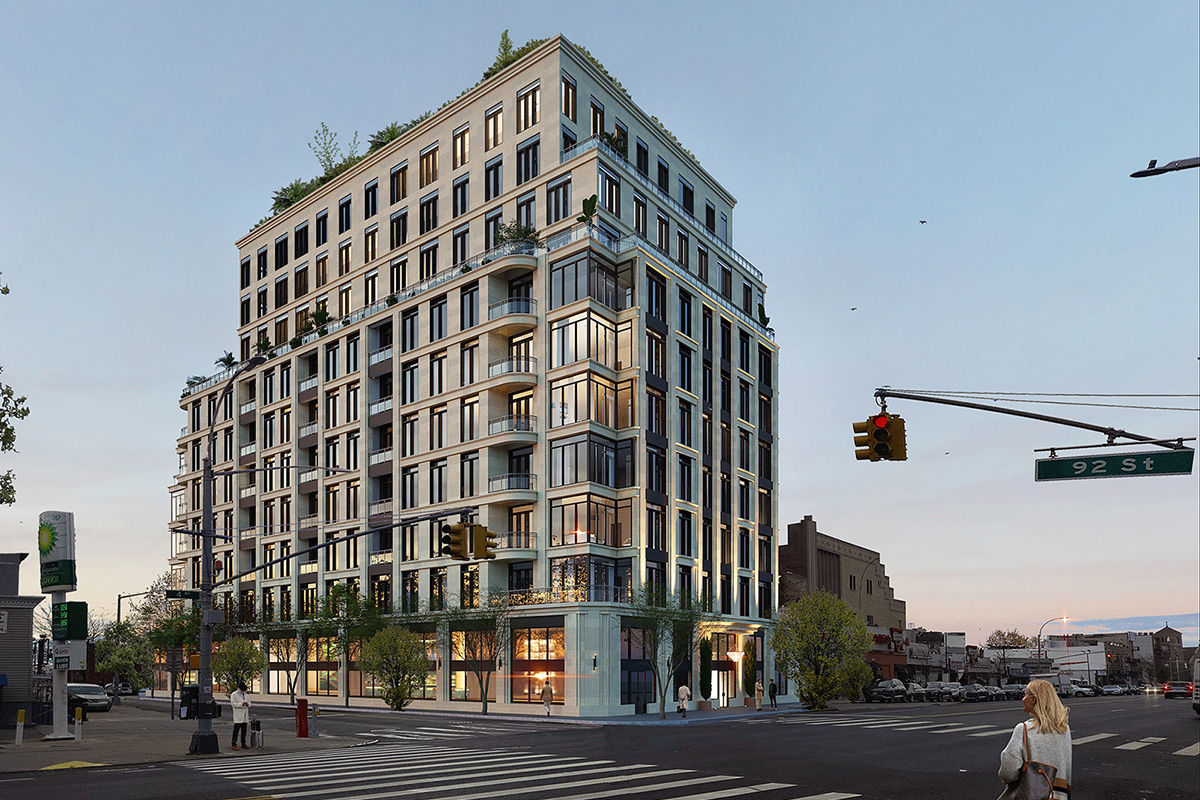
I am Jorge Fontan, an architect in New York and owner of Vinculum Architecture, a Manhattan-based architecture firm specializing in various types of developments and providing full architectural services from analysis to complete building design. Since the adoption of the new zoning changes, we have designed several buildings in compliance with the City of Yes regulations. In this article, I will break down some key aspects of the City of Yes for Housing Opportunity and demonstrate how you can leverage these new regulations to optimize development potential and maximize the value of your property.
City of Yes for Housing Opportunity
The landscape of New York City real estate is undergoing its most significant transformation in over half a century. With the implementation of the City of Yes for Housing Opportunity initiative, the rules of the game have changed. For developers, property owners, and investors, these changes represent an opportunity to address the housing crisis while maximizing the potential of their developments.
The City of Yes is a complex set of zoning text amendments that requires a sophisticated architectural approach to navigate. Aside from leveraging the new regulations, you should also consider the wide range of discretionary actions available to maximize the potential of your developments.
As an architect, I view this shifting regulatory landscape as an unprecedented opportunity for property owners. The “City of Yes” initiative, which focuses on dismantling outdated barriers that previously rendered small-to-mid-sized projects financially unfeasible or legally impossible. By eliminating parking minimums and introducing new, high-density zoning districts, the city has opened clear pathways for aggressive residential growth. Below, I will outline the primary strategies we can leverage to maximize your upcoming new building developments, conversions, renovations, and building enlargements.
Universal Affordability Preference
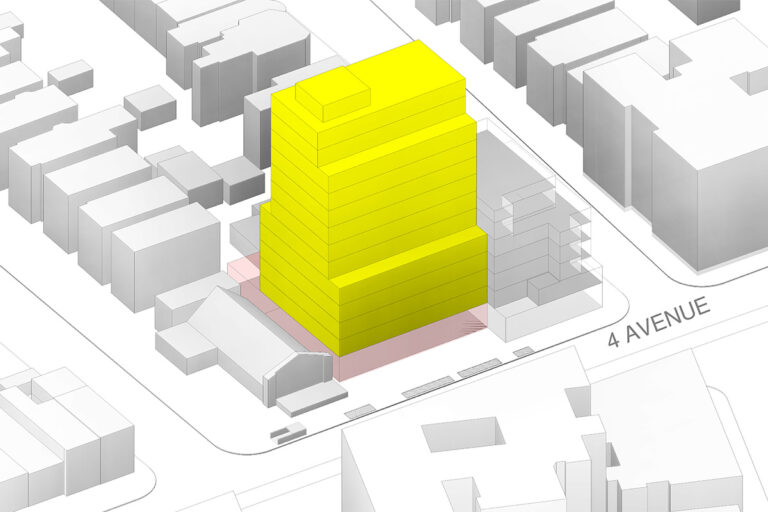
One of the most notable changes in the updated Zoning Resolution is the Universal Affordability Preference (UAP) program, which replaces the previous voluntary Inclusionary Housing framework (which was only applicable in certain designated areas). The new UAP initiative applies to medium- and high-density districts, specifically all R6 through R12 zoning. Within these applicable districts, the Floor Area Ratio (FAR)—which determines a building’s size—can be increased by approximately 20% (the increase varies by district). To receive this additional floor area the building must allocate a portion of its floor area to permanently affordable residences.
Creation of New Zoning Districts
City of Yes has created several new zoning districts, including the very high-density R11 and R12 districts. These new districts allow developers to request rezonings to increase density at their properties. In my experience as an architect working on many rezoning projects across NYC, the Department of City Planning and many elected officials are currently taking a very positive approach to approving rezoning applications.
Increased FAR and Density
Under the City of Yes for Housing Opportunity amendment, numerous zoning districts have seen an increase in the allowable Floor Area Ratio (FAR). These updates provide a significant boost to building capacity, enabling larger developments and increased residential density across the city. There have also been adjustments to building height, yard, and lot coverage requirements. By modernizing these limits, the amendment allows property owners to better maximize their property’s potential.
One example is the reduction in rear-yard requirements (from 30 to 20 feet in some instances) and changes to court size requirements, which further optimize the usable floor area within a building’s footprint.
The End of Costly Parking Minimums
For decades, developers were forced to include off-street parking, regardless of proximity to transit or actual demand. These mandates often required extensive underground excavation, significantly increasing construction costs.
Under the City of Yes, parking requirements are eliminated in certain parts of the city and reduced in others. There are parking waivers available where still applicable, but these have set limits and will apply to many but not all developments.
Limits on Sliver Law
The Sliver Law hindered many developments for years. This regulation limited the height of buildings that are less than forty five feet wide. Under the new City of Yes rules, all residential developments have an option to avoid Sliver Law by staying within the increased height limits for buildings not implementing Height Factor Zoning.
Multi-Family on Small Zoning Lots
The previous zoning resolution placed limitations on developing “Small Zoning Lots”. This portion of the text has been modified to remove the maximum development of 1 to 2-family residences on small zoning lots for all lots existing on December 5th, 2024. You can now develop multi-family residences on these lots.
Town Center Zoning
The new Town Center zoning, referred to in the zoning resolution as Qualifying Residential Site, is designed to encourage mixed-use development in low-density zoning districts. These regulations primarily apply to R1 through R5 districts with commercial overlays, aiming to re-legalize the classic form of small apartment buildings situated above local businesses.
Key advantages for qualifying sites include:
- Significant FAR Increases: In a qualifying R5 district with a commercial overlay, the Floor Area Ratio (FAR) can reach up to 2.5, a substantial increase from the standard 1.5.
- Enhanced Building Scale: These districts now allow for buildings ranging from three to five stories, depending on the specific underlying zoning and location.
Please note that these benefits are not universal; qualifications depend on factors such as lot size, block frontage, and current neighborhood character. As an architect, I must meticulously review these complex requirements to verify which specific rules apply to a given site.
Accessory Dwelling Units
The City of Yes initiative introduces new regulations for Accessory Dwelling Units or Ancillary Dwelling Units (ADUs), the term used within the NYC Zoning Resolution to describe small, independent residential units added to a property. These units are now permitted citywide for one- and two-family residences, provided the property owner resides on the same zoning lot. Homeowners can now legally develop a single ADU up to 800 square feet. This includes backyard cottages—detached structures located in the rear yard—as well as conversions of existing garages, attics, or basements.
Discretionary Actions
Aside from working within the new opportunities provided by the City of Yes, there are other creative options we can consider to maximize development potential. As an architect working on many Discretionary Actions applications in NYC, I see a positive attitude from the Department of City Planning and local government officials toward approving these applications. A great example is the creation of the new Affordable Housing Appeals Board, which gives a second chance for approval to certain applications denied under the Uniform Land Use Review Procedure (ULURP).
We have another article you can read that dives deeper into the various options for Discretionary Actions in NYC Developments.
Commercial to Residential Conversions
Under City of Yes the zoning regulations for commercial to residential conversions have been updated and expanded. This is meant to facilitate the conversion of vacant office space to residences throughout the city.
Architect for City of Yes
The City of Yes for Housing Opportunity is more than a legislative change; it is an invitation to rebuild New York for the 21st century. Whether you are looking to develop a high-rise in Manhattan, a mixed-use building in the Bronx, or a townhouse in Brooklyn, the new rules offer paths to growth that didn’t exist before.
If you are considering a development project, contact us at Vinculum Architecture for a consultation. We can help you determine the feasibility of your project, provide complete design services, and guide you through the intricate process of obtaining city approvals to bring your vision to life. Succeeding in the NYC real estate market requires a strategic approach to the city’s complex regulatory environment. We offer both vision and expert architectural services.
Thank You for Reading Our Article on Architectural Services Under the City of Yes
I hope this was helpful. If you would like to speak with an architect about a potential project, please get in touch with us directly at Vinculum Architecture.
Request a Consultation With Vinculum Architecture
This post was written by Jorge Fontan AIA a Registered Architect and owner of New York City based architecture firm Vinculum Architecture. Jorge Fontan has earned 3 degrees in the study of architecture including two degrees from the City University of New York and a Masters Degree in Advanced Architectural Design from Columbia University. Jorge has a background in construction and has been practicing architecture for 20 years where he has designed renovations and new developments of various building types.