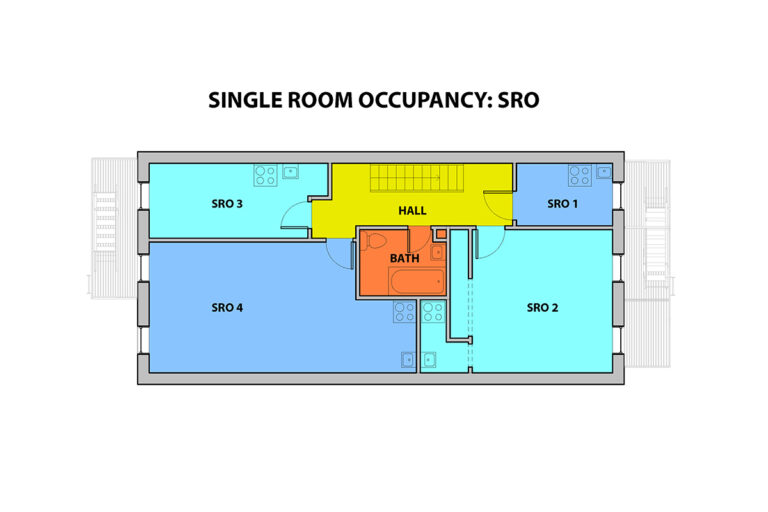
In New York a Single Room Occupancy or SRO is a residential unit typically consisting of one room with a shared bathroom in the corridor. SROs are often Class B (transient occupancy) in New York City.
In New York City you can convert a building with vacant Single Room Occupancies (SROs) into Class A apartments. This conversion will require an Certification of No Harassment (CONH), an architect, building permits, all necessary renovations to bring the property up to code, and a new Certificate of Occupancy.
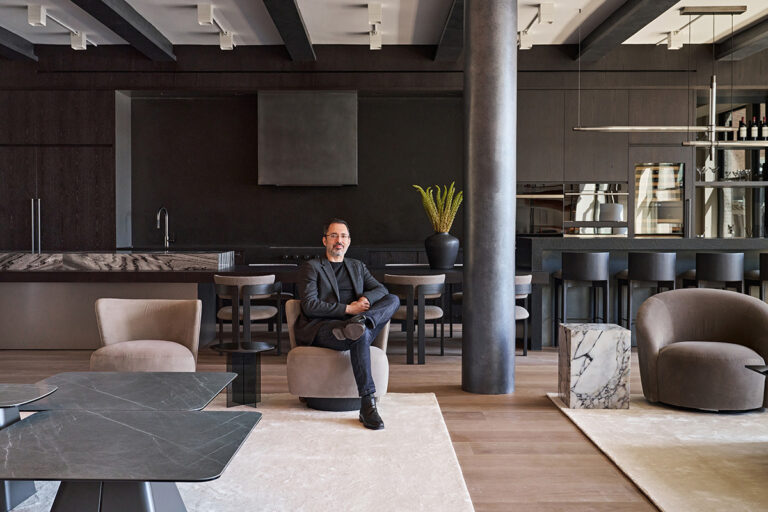
I am Jorge Fontan, an architect in New York and owner of Vinculum Architecture, a Manhattan-based architecture firm. At Vinculum we work on a variety of project types, from new buildings to large and small building conversions. In this article I am going to review the general requirements and process for converting Buildings with SRO units into Class A apartments.
Converting SROs to Class A
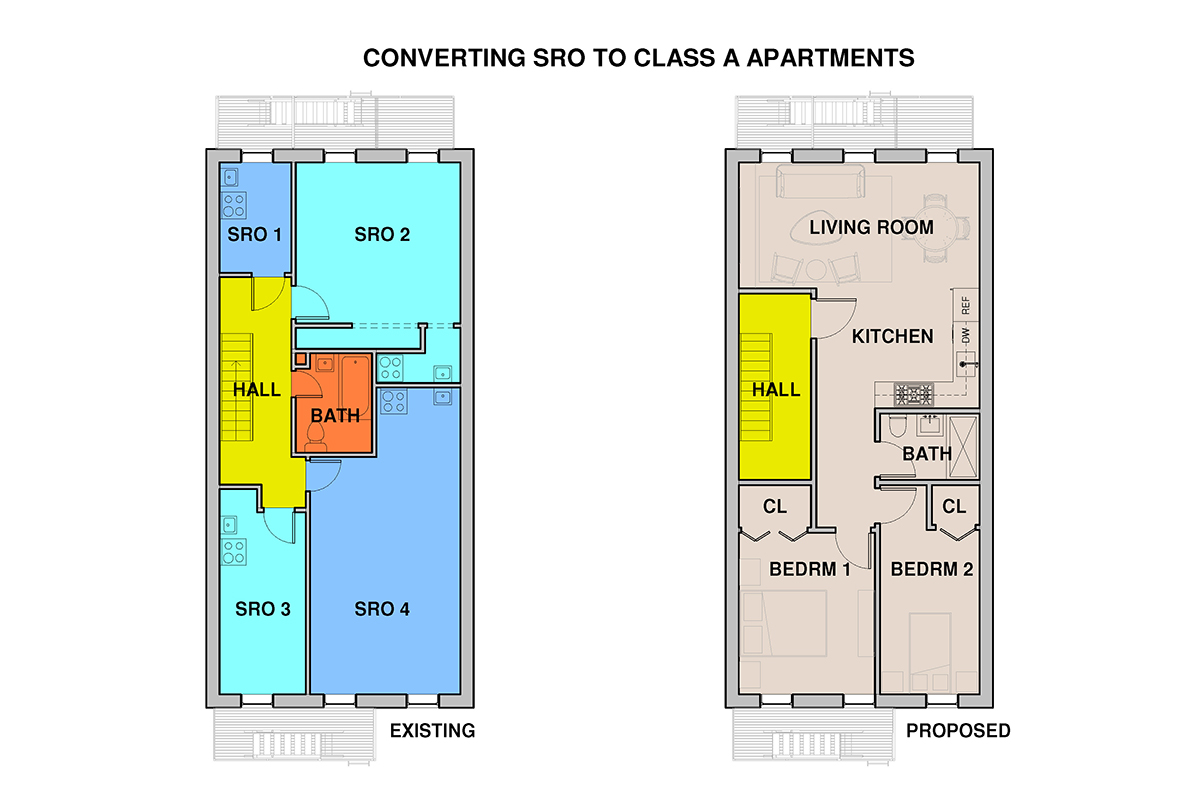
In New York City, you can convert buildings with Single Room Occupancy (SRO) Class B units into Class A dwellings. While Class B units are intended for transient or rooming house use, Class A units are designated for permanent residency, such as standard rental apartments, condominiums, or co-ops
What is a Certification of No Harassment?
A Certification of No Harassment (CONH) is an official document issued by the NYC Department of Housing Preservation and Development (HPD). It verifies that a property owner did not harass or pressure tenants into leaving a building. In New York City, obtaining a CONH is a mandatory requirement before the Department of Buildings (DOB) will approve permits for major alterations, demolitions, or changes in occupancy for buildings with SROs.
Obtaining a CONH is a lengthy process and should be done early on in the project. The DOB will not issue any approvals or permits on an SRO Restricted Property for conversion without the CONH being issued first.
Filing With DOB for SRO Conversions
Converting a Single Room Occupancy (SRO) property into Class A apartments requires a new Certificate of Occupancy (CO) from the NYC Department of Buildings (DOB). As an architect I must submit an application known as an Alteration CO (Alt-CO)—formerly referred to as an “Alteration Type 1” or “Alt 1“. Because SRO conversions involve a change in occupancy, obtaining a new CO is a mandatory legal requirement.
Filing for an Alteration CO triggers a rigorous DOB review and comprehensive inspections. As part of this process, the building must be brought into full compliance with all applicable NYC Building Codes, which may include modern fire safety, egress, and accessibility standards. It is critical to note that all plans must be approved and permits issued before any physical renovation work begins.
Renovating When Converting SROs to Apartments.
Converting an SRO building into Class A apartments typically requires extensive renovations to meet modern standards. Many of these properties originated as rooming houses during or after the Great Depression—long before current NYC Building Codes or Zoning Resolutions were established. Due to not meeting current code standards, decades of use and, in many cases, severe disrepair, a comprehensive overhaul is usually necessary.
Below are key upgrades required when converting SROs to permanent Class A residential units:
- Fire Sprinkler Systems: If a building lacks a sprinkler system, one must be installed. If a system already exists, it typically requires significant upgrades and additional heads to comply with current residential safety mandates.
- Hazardous Materials Remediation: Older buildings often contain asbestos (frequently found in roofing, flooring, and pipe insulation) or lead-based paint and piping. According to NYC DEP regulations, these materials must be professionally abated or remediated before renovation.
- Means of Egress and Fire Safety: The building must be updated to ensure all units have legal means of egress (exits) and meet modern fire-rating requirements for walls, doors, and stairwells.
- Modernized Infrastructure: Plumbing and electrical systems must be brought up to current code. This often involves upgrading the building’s main service lines to support the increased load of individual kitchens and modern appliances.
- Unit Layout and Habitability: Class A units have stricter requirements for minimum room sizes, ceiling heights, and natural light and ventilation than Class B SROs. These standards often necessitate a total reconfiguration of the interior floor plan.
Every building requires a case-by-case assessment to identify its specific needs and design potential. Beyond mere code compliance, the design phase is critical for maximizing the building’s value. As an architect, I collaborate closely with clients to align these technical requirements with their aesthetic and financial goals, offering multiple design options to transform a neglected property into a high-quality residential building.
Converting SROs to Single Family
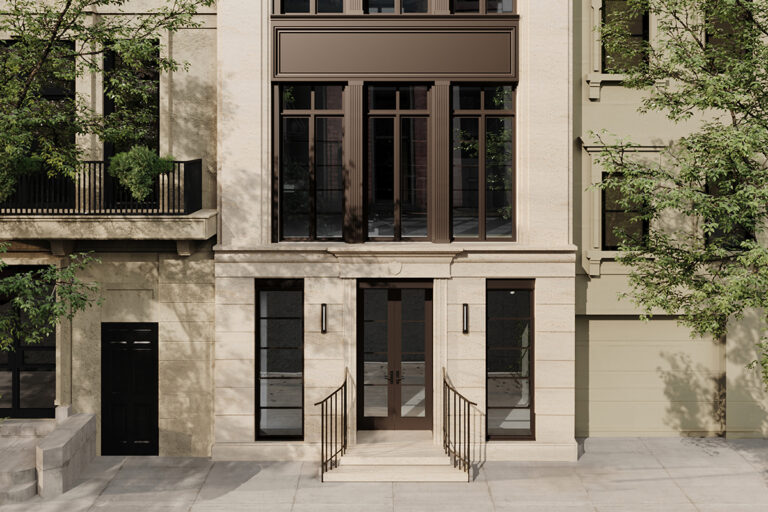
I have also worked on numerous projects for homeowners who purchase vacant SRO properties with the intent of converting them back into single-family residences. Historically, many SRO properties in New York City were originally grand single-family townhouses or brownstones. Restoring these buildings to their original use is a practical and popular way to revitalize historic architecture while creating high-value homes, and we expect this trend to remain strong for years to come.
If you are interested in a more detailed look at restoring an SRO to a luxury single or two family residence, please see my other Architecture Firm and sister company Fontan Architecture (which specializes in luxury residences for homeowners) where you can see our guide on Converting SROs to Single-Family Homes.
Single Room Occupancy Conversions in NYC
Converting an SRO building into Class A apartments or a luxury single-family home is one complex yet rewarding project. While the path from a Class B rooming house to a modern permanent residence is filled with regulatory hurdles—from the critical Certification of No Harassment (CONH) to rigorousDOB Alt-CO filings—it offers a unique opportunity to revitalize the city’s historic building stock.
Success in these conversions depends on early planning and a deep understanding of current NYC Building Codes. The demand for high-quality residential space in the five boroughs remains high, making these conversions a viable strategy for both investors and homeowners.
If you are considering purchasing an SRO property or are ready to begin the conversion process, it is essential to have an experienced architectural team to navigate the HPD and DOB bureaucracies. At Vinculum Architecture, we specialize in transforming these complex properties into modernized high-value assets.
Thank You for Reading Our Article on Converting SROs to Class A Apartments in NYC
I hope this was helpful. If you would like to speak with an architect about a potential project, please get in touch with us directly at Vinculum Architecture.
Request a Consultation With Vinculum Architecture
This post was written by Jorge Fontan AIA a Registered Architect and owner of New York City based architecture firm Vinculum Architecture. Jorge Fontan has earned 3 degrees in the study of architecture including two degrees from the City University of New York and a Masters Degree in Advanced Architectural Design from Columbia University. Jorge has a background in construction and has been practicing architecture for 20 years where he has designed renovations and new developments of various building types.