New York City has a complex regulatory framework for development approvals especially for rezonings. Rezonings involve two types of land-use actions: Zoning Map Amendments, which alter the actual zoning designation of a property, and Zoning Text Amendments, altering the existing Zoning Resolution. Both actions require extensive city and public review.
From the moment you engage an architect to the day you receive a final rezoning approval in New York City, you should anticipate a timeline of two to three years. This timeframe encompasses the work required before filing, the intensive pre-certification phase, the mandatory environmental review (CEQR) and the Uniform Land Use Review Procedure (ULURP).
I am Jorge Fontan, an architect in New York and owner of Vinculum Architecture, a Manhattan-based architecture firm. At Vinculum, we work on a variety of project types, from property and zoning analysis to complete building designs for new developments. In this article, I will review how long rezonings take in NYC using some of our rezoning projects as examples.
Rezoning Timeline
- Establish what the proposed zoning changes will be.
- The Architect will prepare zoning analysis and diagrams for the potential new development.
- The Attorney will reach out to the local City Council Member to begin preliminary discussions.
- Conduct an Informational Interest Meeting with City Planning
The first phase of the project will typically take two to three months. At the conclusion of this phase it should be clear what the exact proposed zoning map and or text amendment changes are.
- Architectural Design: The architect has to provide a schematic design of the building including complete zoning analysis, floor plans, building elevations, 3D renderings etc…
- Environmental Review (CEQR): New York City requires a City Environmental Quality Review to study potential impacts on traffic, schools, and shadows. If a project requires a full Environmental Impact Statement (EIS), this alone can take a great deal of time.
- Application Refinement: Applicants must work with DCP staff to ensure their proposal aligns with city goals. This involves the submission of detailed “Pre-Application Statements”.
The department of City Planning must Certify the application before it moves on to ULURP.
- Community Board Review: The local Community Board holds public hearings and issues an advisory recommendation.
- Borough President Review: The Borough President reviews the proposal and issues their own advisory opinion.
- City Planning Commission (CPC) Review: The CPC holds a mandatory public hearing. Unlike the previous stages, the CPC’s vote is binding.
- City Council Review (50 Days): The Council holds its own hearing and votes. Traditionally, the local Council Member has significant “member deference” over the final decision.
If an application is disapproved there is an appeals process for qualifying rezonings this is known as the Affordable Housing Appeals Board.
We have another article where you can read more about the Affordable Housing Appeals Board.
Approved Rezoning in Brooklyn
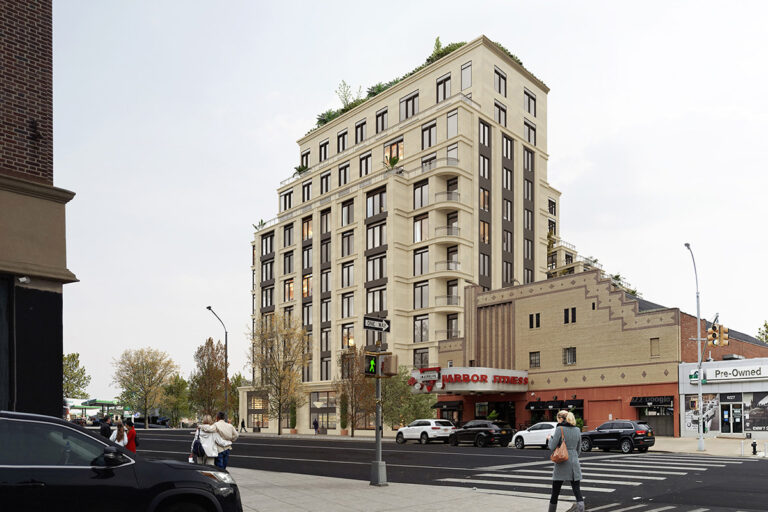
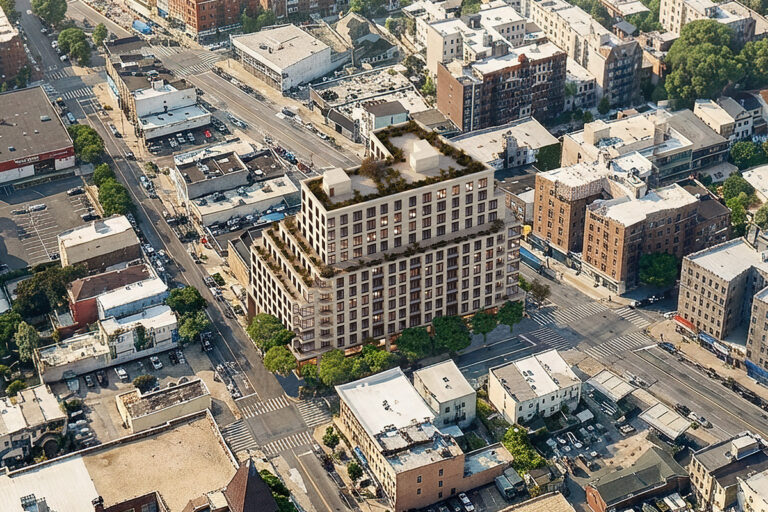
In 2025, we successfully secured rezoning approval for a project in Bay Ridge, Brooklyn—a process that took nearly three years from our initial engagement to the final City Council vote to approve.
Several factors contributed to this extended timeline:
- Community and Council Member Engagement: This project was more contentious than typical rezoning cases, requiring an extensive pre-certification phase to address local concerns.
- Regulatory Shifts: During our pre-certification, the city introduced and adopted the new City of Yes zoning regulations. These systemic changes required us to redesign the building to align with the new rules, effectively restarting the pre-certification process. Unfortunately all of our rezoning projects that were in precertification when the City of Yes was approved had similar delays.
Despite these challenges, we successfully upzoned the property and secured the necessary approvals. For a deeper look at this case study, read our full article on this Approved Brooklyn Rezoning.
Current Rezoning Application (Post City of Yes)
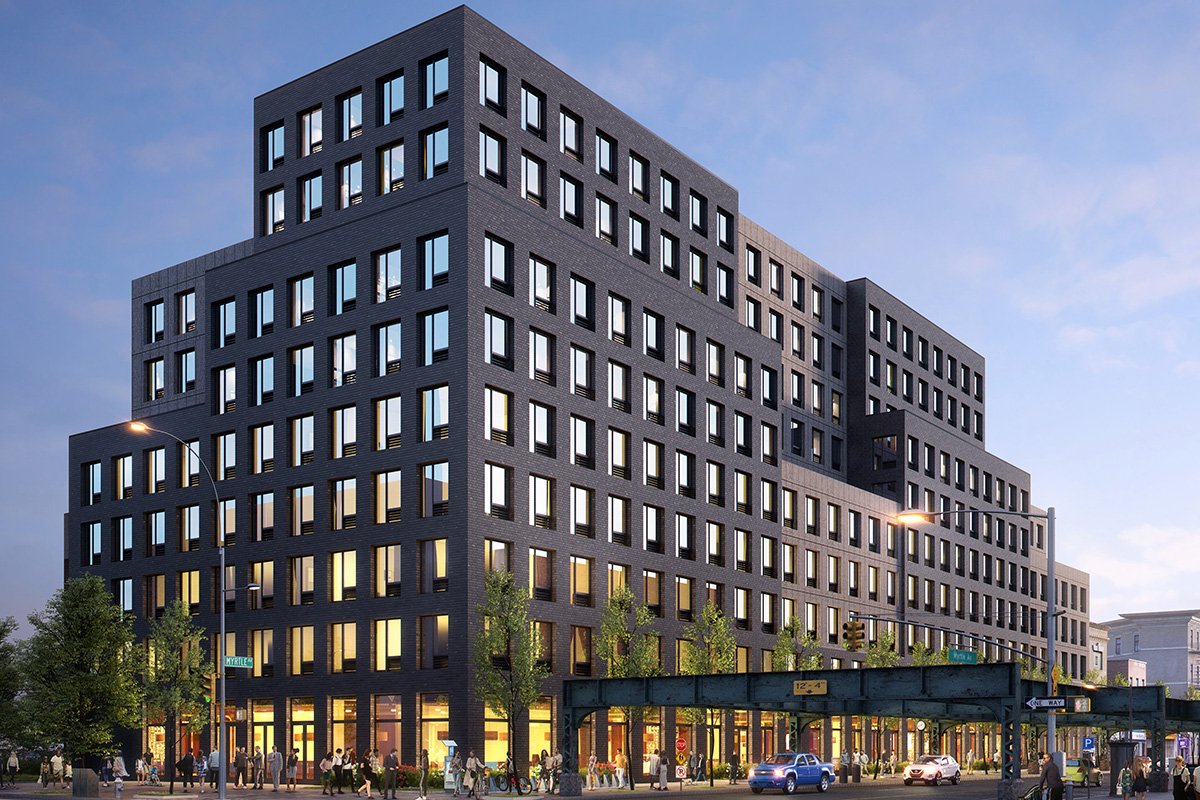
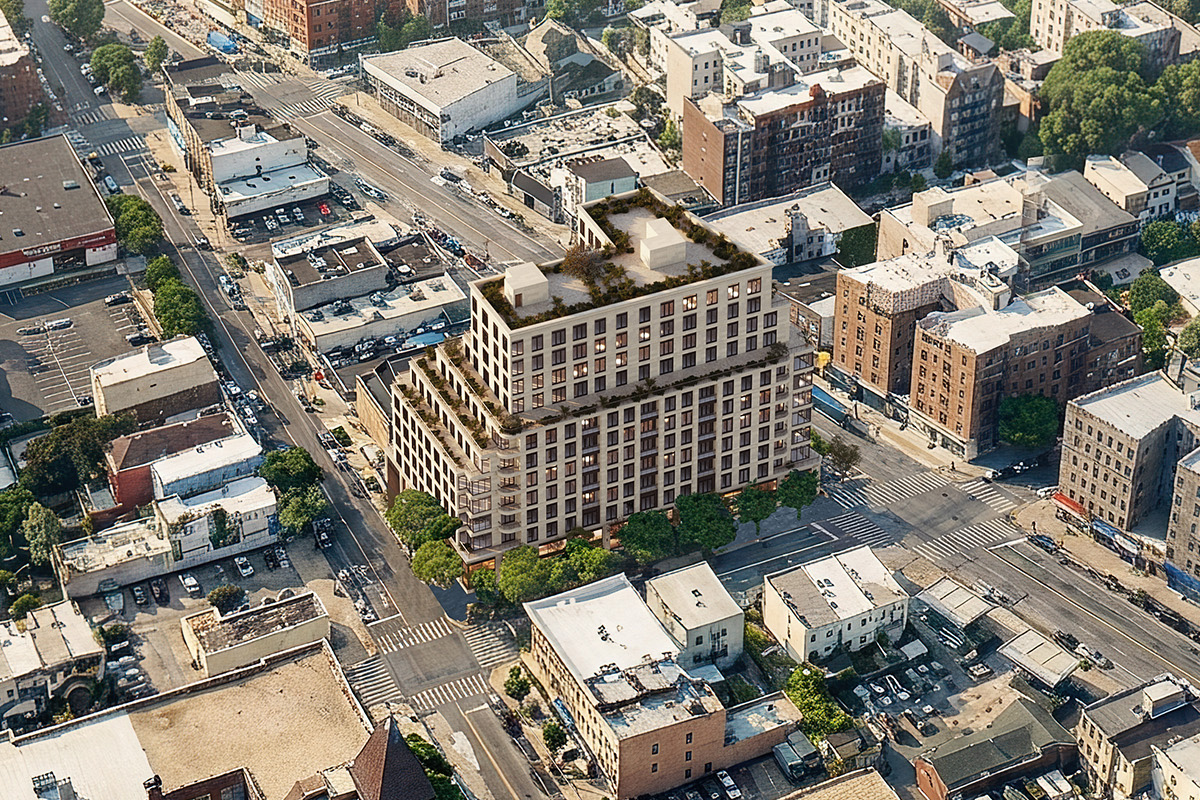
We are currently managing another application in the ULURP (Uniform Land Use Review Procedure) for a property owner who engaged our services in September 2024. Having successfully advanced into the formal review stage, we anticipate final approval by June 2026. This would bring the total timeline to approximately one year and nine months—a significantly more streamlined timeline than some other rezonings.
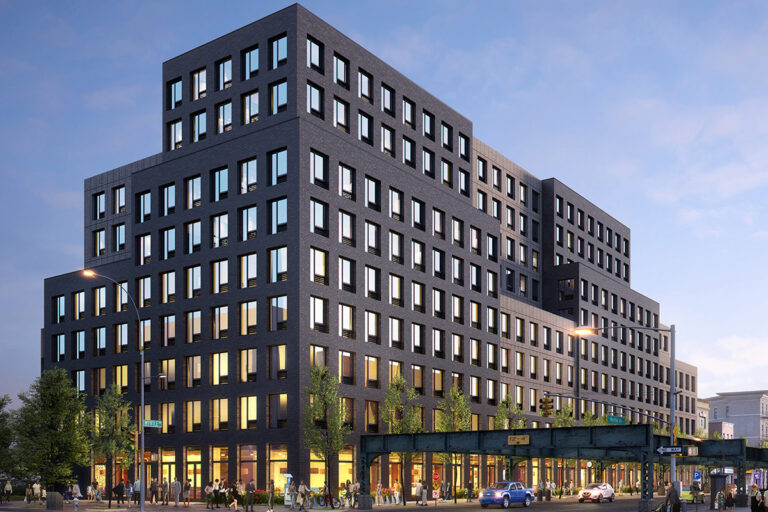
Below is a rendering of the building we designed for this rezoning project.
NYC Rezoning
Planning a Rezoning
If you are embarking on a rezoning, the most important step is to start early. Success in NYC land use requires a specialized team, including a zoning attorney, an environmental consultant, and an architect. While the “standard” seven-month ULURP clock is predictable, the preparation required to reach that starting line is where the real work happens.
Please look at this article we wrote to learn more about the Rezoning Process in New York City.
If you are considering a development project, contact us at Vinculum Architecture for a consultation. We can help you determine the feasibility of your project, provide full design services, and guide you through the intricate process of obtaining city approvals to bring your vision to life. Succeeding in the NYC real estate market requires a strategic approach to the city’s complex regulatory environment. We offer both vision and expert architectural services.
Thank You for Reading Our Article on NYC Rezoning Timeline
I hope this was helpful. If you would like to speak with an architect about a potential project, please get in touch with us directly at Vinculum Architecture.
Request a Consultation With Vinculum Architecture
This post was written by Jorge Fontan AIA a Registered Architect and owner of New York City based architecture firm Vinculum Architecture. Jorge Fontan has earned 3 degrees in the study of architecture including two degrees from the City University of New York and a Masters Degree in Advanced Architectural Design from Columbia University. Jorge has a background in construction and has been practicing architecture for 20 years where he has designed renovations and new developments of various building types.