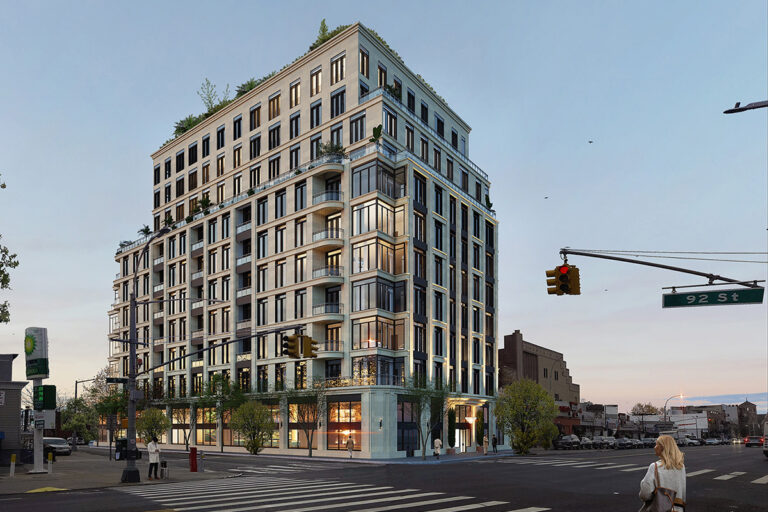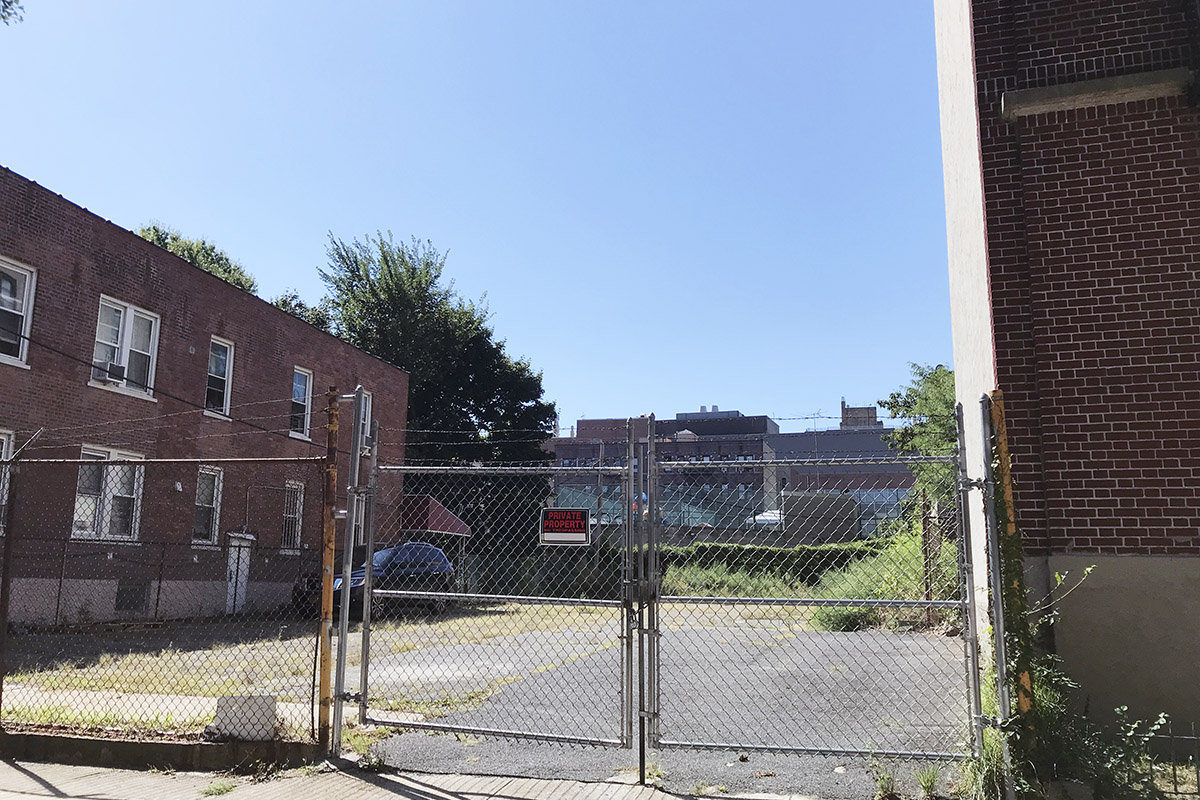
Owning a vacant lot in a complex setting like New York City presents both a unique opportunity and a significant challenge. Determining whether the land can be developed, and what exactly can be built upon it, involves navigating an intricate maze of local regulations and physical site constraints. This process is rarely a simple “yes” or “no” answer and requires a comprehensive, professional assessment.
To determine if your vacant lot is buildable in New York you should consult with an architect to review the property’s zoning regulations, environmental concerns, site conditions, and project feasibility. Even seemingly unbuildable lots can have the potential for development through variances, rezonings, special permits, or when necessary proper remediation.
I am Jorge Fontan, a New York architect and owner of the Manhattan-based architecture firm Vinculum Architecture. Our practice focuses on diverse projects, including designing new buildings for empty lots across New York City. Before any design work begins, we first start with a thorough assessment of the property’s potential. I spend a great deal of time analyzing development feasibility, and in this article, I will review the key issues we examine when assessing a piece of land in New York for a new building development.
Zoning Analysis
When assessing a new property development in New York City, I always start by examining the zoning for the property. The NYC Zoning Resolution (which is thousands of pages) is a comprehensive document that regulates building use and bulk, including density, height, allowable square footage (Floor Area Ratio or FAR), setbacks, how many apartments are allowed in residential buildings and numerous other complex issues that fundamentally determine development potential. Understanding the implications of a property’s zoning district regulations is the most critical stage of determining the feasibility of a project. Some developments do have inherent challenges complying with the existing zoning regulations rendering the project seemingly unbuildable.
Most properties can be built with an As-of-Right development. An “As-of-Right” project is one that strictly complies with all applicable zoning regulations and does not require any special approvals or discretionary actions from city regulatory agencies.
If the proposed development does not fit within an as-of-right framework, we can explore Discretionary Actions. In property development, a discretionary action is a formal application for permission to deviate from the standard zoning resolution requirements, which must undergo public review and approval by specific city entities, such as the City Planning Commission or the Board of Standards and Appeals (BSA). Examples of discretionary actions include:
- Variances: Granted by the BSA, typically when an applicant demonstrates a unique physical hardship related to the property that prevents a reasonable return under existing rules.
- Special Permits: Issued by either the BSA or the City Planning Commission (CPC) for specific uses or modifications explicitly listed as possibilities within the Zoning Resolution, provided certain conditions are met.
- Rezonings: A formal change to the zoning map or text itself, which requires a lengthy public review process known as the Uniform Land Use Review Procedure (ULURP).
- Authorizations: A less complex form of discretionary action compared to variances or special permits, often involving minor modifications.
Building in Historic Districts
Developing property within a historic district in New York City is possible—you can build new ground-up structures on vacant land or construct additions to existing buildings—but these areas come with a unique layer of regulations that significantly add complexity to the process.
The Landmarks Preservation Commission (LPC) is the agency that oversees all development and modifications within NYC’s designated historic districts. Their jurisdiction requires a rigorous review process focusing on preserving the architectural integrity and historical character of the neighborhood. The LPC imposes strict regulations on various aspects of development, including aesthetic design, materials used, façade appearance, height, massing, and various details dependent on the specific character of the given district.
Any proposed work in a landmarked area must first secure a Certificate of Appropriateness (CofA) or other relevant permits from the LPC before the NYC Department of Buildings (DOB) will Approve a permit application. While development is typically feasible, this added layer of review and approval can substantially slow down the project timeline.
Environments Concerns and Designations
Environmental concerns and specific regulatory designations can significantly hinder property development on vacant lots in New York City. A primary obstacle is land contamination, often a remnant of former industrial uses that classify a site as a “brownfield.” Before any construction can proceed, these sites require rigorous environmental assessment and cleanup to meet standards set by the NYS Department of Environmental Conservation (DEC) or the NYC Office of Environmental Remediation (OER). The remediation process is complex, expensive, and time-consuming, necessitating specialized engineering work to remove hazardous materials like heavy metals or petroleum contamination.
Other physical and environmental designations impose severe physical and regulatory constraints. Lots located within high-risk flood zones are subject to special zoning regulations that mandate flood-resistant construction, elevated building mechanicals, and specific height measurement reference planes, all of which add complexity and cost to the design. Furthermore, properties containing or adjacent to mapped tidal or freshwater wetlands face strict oversight from the DEC and the NYC Department of Environmental Protection (DEP).
Site Conditions
The physical site conditions of a vacant lot play a crucial role in determining the feasibility and cost of a new development in New York City. Topography is a significant factor: a steeply sloped lot requires extensive excavation, grading, and potentially retaining walls, increasing site work costs. The subsurface conditions are even more critical. Geotechnical testing is essential to determine soil quality, load-bearing capacity, and the depth of bedrock or the water table. In areas with poor quality fill or high water tables, standard spread footings may be inadequate, necessitating more expensive foundation systems like piles or caissons, which can drastically impact the project budget and complexity required for NYC Department of Buildings (DOB) approval.
Beyond the ground itself, assessing available infrastructure and logistical constraints is vital. Proximity and capacity of existing utilities—water mains, sewer lines, gas, and electricity—dictate whether simple hookups are possible or if extensive, costly off-site infrastructure upgrades are necessary, requiring coordination with agencies like the NYC Department of Environmental Protection (DEP) for water and sewer access.
Building against adjacent buildings in NYC raises significant structural concerns. This frequently requires extensive, costly shoring or underpinning of neighboring foundations. A mandatory pre-construction survey and monitoring plan ensure stability. Careful engineering design and oversight of construction is necessary to ensure any new development does not negatively impact neighboring structures.
Building adjacent to NYC subway infrastructure adds regulatory complexity and requires MTA review. Foundations may require specialized (and expensive) designs, such as piles, to avoid impacting subway tunnel structures. The review ensures infrastructure protection and may require developers to grant transit easements, adding constraints and timeline delays.
Assessment for Building on a Vacant Lot in NYC
New York City has many regulations, and layers of complexity for property development. Fortunately these can almost always be managed through careful planning and assessment.
Learn more about key issues discussed in this post by following the links below to some of out other related articles:
Thank You for Reading Our Article on Determining if a Vacant Lot is Buildable in NYC.
I hope this was helpful. If you would like to speak with an architect about a potential project, please get in touch with us directly at Vinculum Architecture.
Request a Consultation With Vinculum Architecture
This post was written by Jorge Fontan AIA a Registered Architect and owner of New York City based architecture firm Vinculum Architecture. Jorge Fontan has earned 3 degrees in the study of architecture including two degrees from the City University of New York and a Masters Degree in Advanced Architectural Design from Columbia University. Jorge has a background in construction and has been practicing architecture for 20 years where he has designed renovations and new developments of various building types.