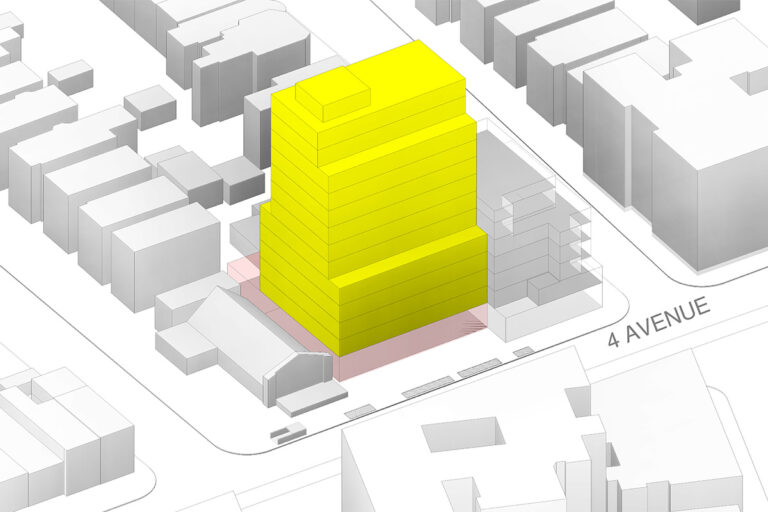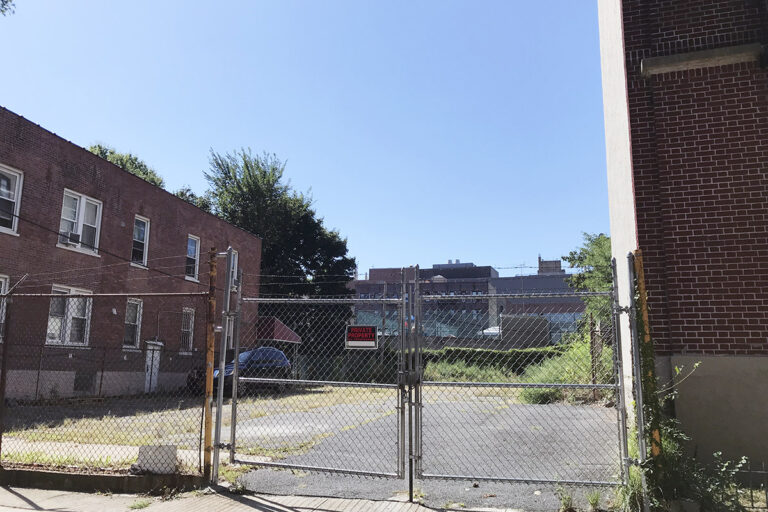
In most cases within New York City, the construction of new residential buildings or the conversion of existing structures for residential use is strictly prohibited in Manufacturing (M) zoning districts. However, specific exceptions exist under the NYC Zoning Resolution that apply to certain circumstances. In Manufacturing districts designated with a “D” suffix, such as M1-2D, property owners may qualify for a formal Authorization for Residential Use.
In New York City M1-2D Zoning districts, residential use is not permitted “as-of-right,” meaning you cannot simply file plans and begin construction. Instead, the City Planning Commission (CPC) must grant an authorization, provided the property strictly adheres to the rigorous requirements set forth in the Zoning Resolution.
I am Jorge Fontan, an architect in New York and owner of Vinculum Architecture, a Manhattan-based architecture firm. At Vinculum, we work on various project types, ranging from intricate property and zoning analyses to complete building designs for new developments. We also work on projects that require discretionary actions, such as authorizations from the City Planning Commission. In this post, I will review the fundamental requirements and procedures for obtaining authorization for residential use within an M1-2D Zoning District.
Residential Use Authorization in M1-2D Zoning
Any new residential development, conversion of a non-residential building, or enlargement of an existing residence in an M1-2D district requires Authorization from CPC. The City imposes strict criteria and limitations on these developments to ensure that residential growth does not negatively impact the character or future utility of the surrounding area.
This authorization applies to a few different development types in M1-2D Zoning Districts:
- New Use: The construction of a new residential building on a vacant lot or the demolition of an existing structure to make way for a new residential development.
- Conversions: The adaptive reuse of a non-residential building into residential dwellings.
- Enlargements: The construction of an addition to an existing residential building to increase its floor area.
It is important to note that not all properties located within an M1-2D District will qualify for this authorization. The eligibility is highly site-specific and dependent on the context of the surrounding block.
Proving Compliance for the Authorization
To secure an authorization for residential use in an M1-2D district, a property owner must provide substantial evidence that their site meets the specific criteria outlined in the Zoning Resolution. Key factors include:
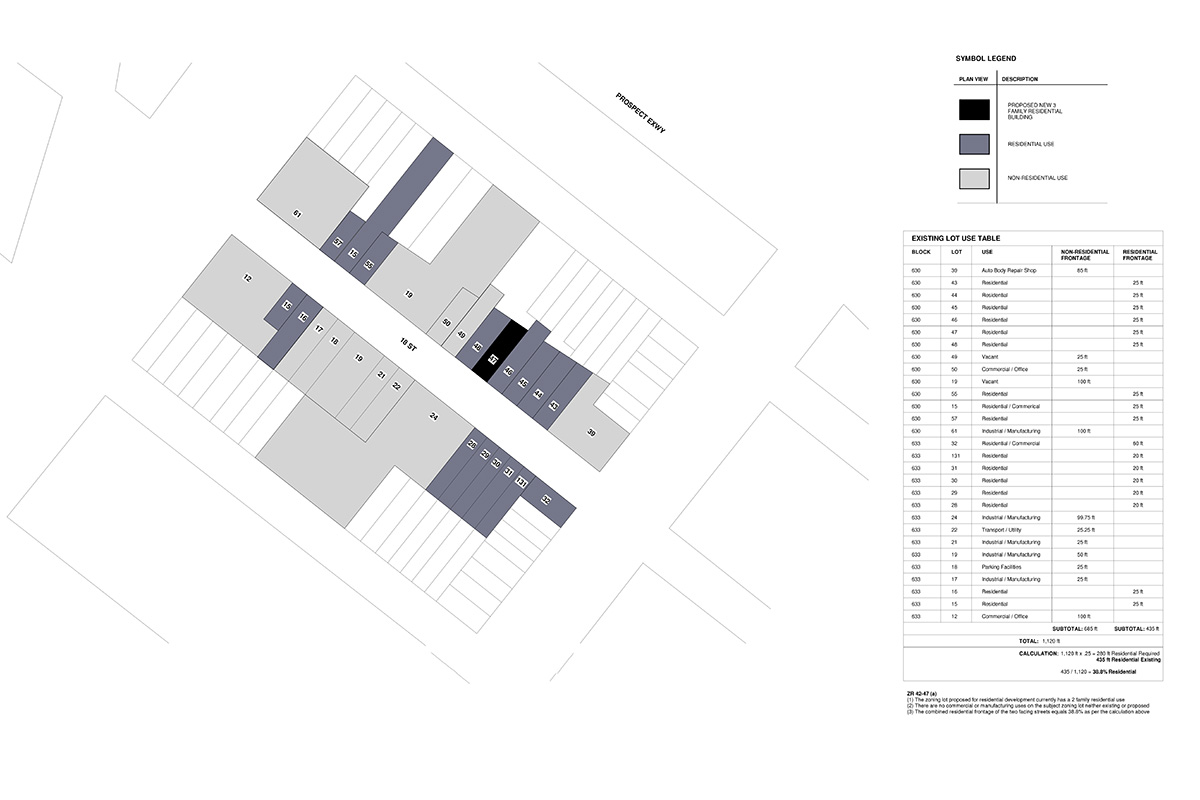
- Residential Character of the Block: The applicant must perform a “block frontage” analysis. They must prove that the percentage of total street frontage on both sides of the street (facing each other within the block) occupied by residential or community facility uses meets the minimum thresholds required by the City.
- Lot Vacancy & History: For new developments on vacant lots, owners must generally demonstrate that the lot has been vacant for a specific durations.
- Abutting Land Use: The City may limit that the property be immediately adjacent to an existing building that already contains residential units or a community facility.
- Environmental & Safety Findings: The CPC must make conclude that the proposed residential use will not be adversely affected by noise, smoke, dust, or other impacts from nearby industrial activities. Furthermore, the project must not impair the potential for future development of surrounding manufacturing lots.
- Density & Bulk Constraints: Authorized residential projects in M1-2D are subject to different Bulk Regulations than industrial or commercial buildings. These include limitations on the Floor Area Ratio (FAR), building height, and mandatory yards.
The first step in assessing any potential project is to contact an architect, such as myself, to review existing conditions, site context, and block frontage.
Alternative Methods for Developing Residences in M Zones
While this post focuses on M1-D authorizations, there are other creative, albeit more complex, methods for establishing residential uses in manufacturing districts:
- Authorization: These are the focus of this post. This is a discretionary action by the CPC that applies only to specific M sub-districts (the “D” suffix districts).
- Rezoning: A property owner can apply for a Zoning Map Amendment (through the ULURP process) to change the zoning from a Manufacturing district to a Residential or Mixed-Use district.
- Variance: An owner can apply for a “Use Variance” from the Board of Standards and Appeals (BSA). This requires proving that the current zoning creates an “unnecessary hardship” and that the property cannot yield a reasonable return under its current designation.
Real estate development in New York City is often fraught with regulatory challenges. However, understanding these alternative paths allows owners to achieve their development goals, even in restrictive zones.
The City Planning Commission Authorization Process
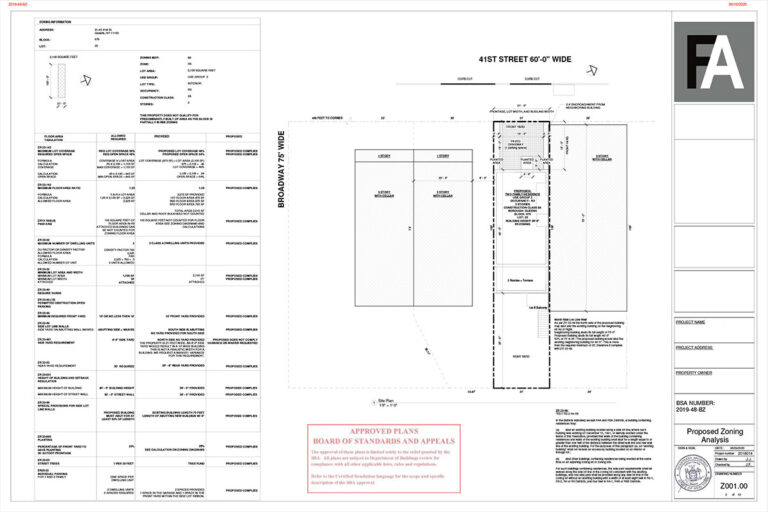
The process for obtaining CPC Authorization is lengthy and highly involved. The owner’s professional team must prepare and submit detailed architectural plans, assessments, zoning calculations, and supporting documentation. This procedure involves multiple levels of review. Crucially, the CPC must issue its final authorization before the NYC Department of Buildings (DOB) can approve the project or issue construction permits for residential use.
M1 Districts with a “D” Suffix
The potential for residential authorization is not limited solely to M1-2D. All M1 districts ending with a “D” suffix have the potential to qualify, including:
Even if a property is situated within one of these districts, its specific block characteristics or site conditions may prevent it from qualifying for authorization. We need to do a thorough review to determine if the property may qualify.
Strategizing Your M1-2D Residential Project
Navigating the complexities of an M1-2D Zoning District requires a meticulous understanding of both the NYC Zoning Resolution and the discretionary review process of the City Planning Commission. While these “D” suffix districts offer a rare and valuable opportunity to introduce residential density into manufacturing areas, the burden of proof regarding block character, site history, and environmental safety rests entirely on the applicant.
If you are considering a development, conversion, or enlargement in an M1-2D district, contact us at Vinculum Architecture for a comprehensive zoning consultation. We can help you determine the feasibility of your project, provide design, and guide you through the intricate process of obtaining city approvals to bring your vision to life. Succeeding in the NYC real estate market requires a strategic approach to the city’s complex regulatory environment. We can help you with both vision and expert architectural services.
Thank You for Reading Our Article on Authorization for Residential Use in M1-2D Zoning
I hope this was helpful. If you would like to speak with an architect about a potential project, please get in touch with us directly at Vinculum Architecture.
Request a Consultation With Vinculum Architecture
This post was written by Jorge Fontan AIA a Registered Architect and owner of New York City based architecture firm Vinculum Architecture. Jorge Fontan has earned 3 degrees in the study of architecture including two degrees from the City University of New York and a Masters Degree in Advanced Architectural Design from Columbia University. Jorge has a background in construction and has been practicing architecture for 20 years where he has designed renovations and new developments of various building types.