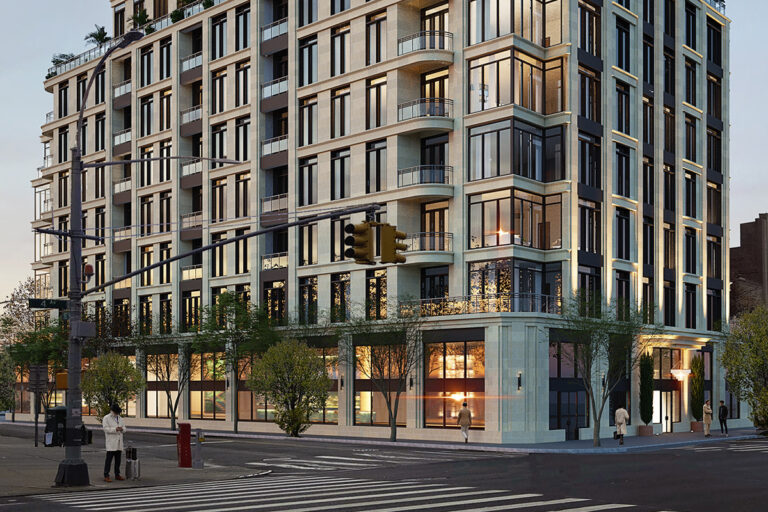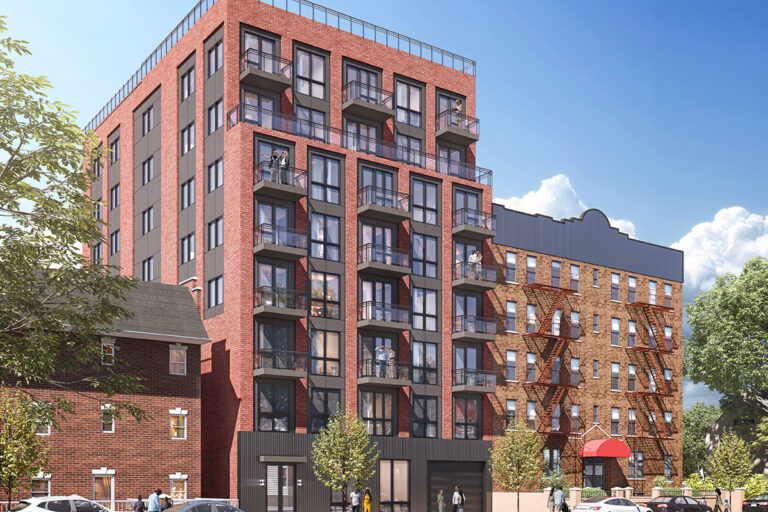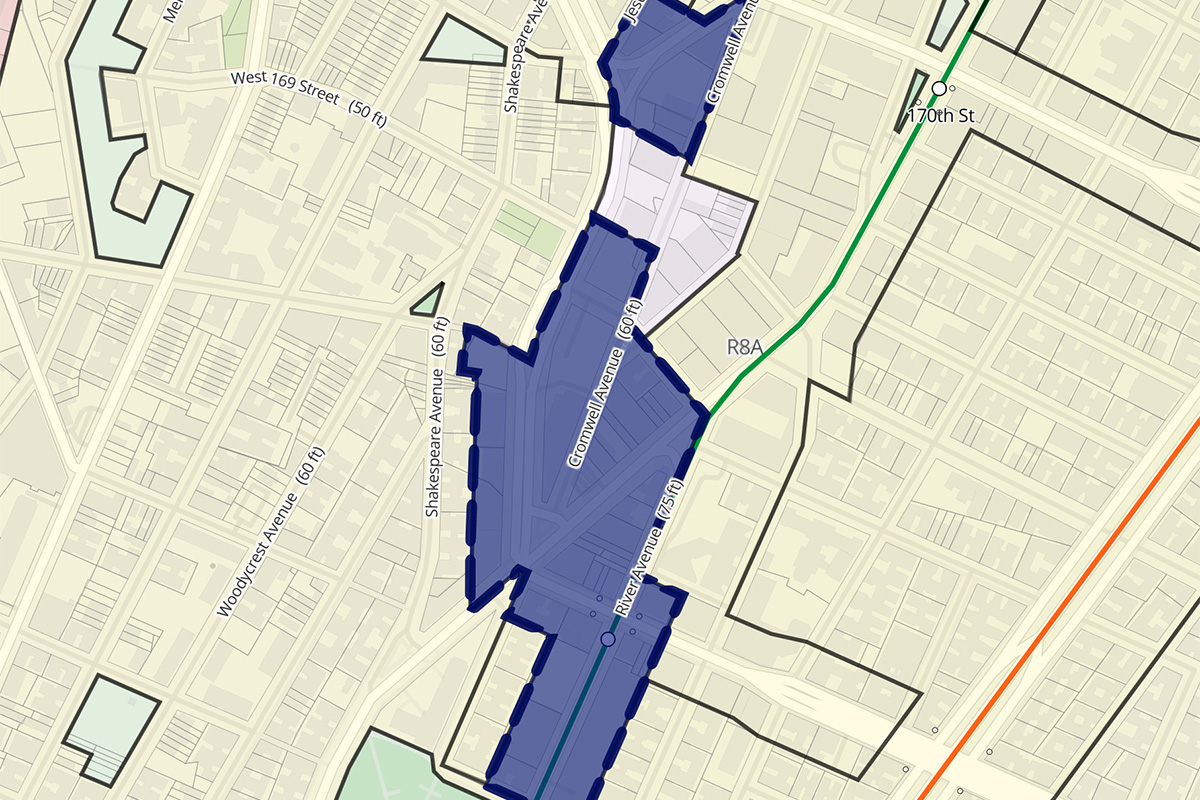
New York City has many zoning districts and subdistricts, each with its own rules and regulations governing property development within the district. R9A is one example of a residential zoning district in NYC.
R9A is a high-density Residential Zoning District in New York City. You can find R9A Zoning Districts in Manhattan and The Bronx.
I am Jorge Fontan, an architect in New York and owner of Vinculum Architecture, a Manhattan-based architecture firm. At Vinculum, we work on a variety of project types, from property and zoning analysis to complete building designs for new developments. In this article, I will review some of the basics of the New York City Zoning District R9A.
R9A Zoning
Multiple New York City Zoning Districts, such as R9A, have fixed height limits and mandatory setbacks. The City of Yes significantly modified the rules under the New York City Zoning for Housing Opportunity amendment. This article reflects those modifications.
Qualifying Affordable Housing Option
Developers planning projects in an R9A Zoning District have the option to construct a strictly market-rate building or to incorporate Qualifying Affordable Housing units. While different zoning regulations and bulk rules apply to each approach, the inclusion of affordable housing allows for a larger overall development, including an increased Floor Area Ratio (FAR) and a higher maximum building height. There are also modified regulations for Qualifying Senior Housing.
R9A Zoning Commercial Overlay
When a residential district includes a commercial overlay (e.g., C1 or C2), the zoning permits local retail and services within the residential district.
This designation provides flexibility: developers can construct a purely commercial building, a residential building, or a mixed-use building combining both functions. It is crucial to note that the zoning regulations—particularly regarding Floor Area Ratio (FAR) and building bulk — vary significantly between the commercial and residential portions of a development.
R9A Zoning & Community Facility Use
The R9A Zoning District is primarily residential, but you can develop community facility uses (such as schools, medical facilities, and certain non-profits) as-of-right.
Key considerations for the development of a Community Facility in an R9A zone include:
- Different Regulations: When you develop a site with community facility use, the specific bulk regulations (including Floor Area Ratio and height limits) may differ from those for standard residential buildings.
- Mixed-Use Options: Developers may also construct a mixed-use building that combines both residential and community facility components.
R9A Zoning Regulation Basics
Lot Size:
- Minimum Lot width =18 Feet
- Minimum Lot Area = 1,700 Sq Ft
For Single or Two Family Detached Developments the Lot Size is:
- Minimum Lot Width = 25 Feet
- Minimum Lot Area = 2,375 sq ft
Floor Area Ratio (FAR):
- FAR = 7.52
- Qualifying Affordable Housing FAR = 9.02
Yards for Zero Lot Line or Detached Buildings:
- Corner Lot: No Yards Required
- Interior Lot = 20 foot minimum rear yard required below a height of 75 feet
- Interior Lot = 30 foot minimum rear yard required above a height of 75 feet
Yards for attached and Semi-Detached Buildings:
- Corner Lot: No Yards Required
- Interior Lot with a Width Less than 40 feet = 30 foot minimum rear yard required below a height of 75 feet
- Interior Lot with a Width of 40 feet or more = 20 foot minimum rear yard required below a height of 75 feet
- Interior Lot = 30 foot minimum rear yard required above a height of 75 feet
Lot Coverage:
- Corner Lot = 100%
- Interior or Through Lot = 80%
Density Factor
Density Factor (Also known as Dwelling Unit Factor) does not apply to all areas of NYC
- 680
Base Height on a Wide Street: This indicates a setback is required at these heights.
- Base Height = 60 Minimum / 105 Maximum
- Qualifying Affordable Housing Base Height = 60 Minimum / 135 Maximum
A setback is required in the base height range. Or this can be the maximum height of the building without a setback.
Building Height on a Wide Street: This is the maximum building height.
- Building Height: = 145 feet
- Qualifying Affordable Housing Building Height: = 185 feet
Base Height on a Narrow Street: This indicates a setback is required at these heights.
- Base Height = 60 Minimum / 95 Maximum
- Qualifying Affordable Housing Base Height = 60 Minimum / 135 Maximum
A setback is required in the base height range. Or this can be the maximum height of the building without a setback.
Building Height on a Narrow Street: This is the maximum building height.
- Building Height: = 135 feet
- Qualifying Affordable Housing Building Height: = 185 feet
R9 Zoning Districts:
Commercial Districts with R9A Residential Equivalents:
Most commercial districts in New York City have a Residential Equivalent. This designation means that you have the option for developing residential use in the given commercial district and that regulations of the applicable Residential Equivalent would govern the residential portion of the building. The following are commercial zoning districts with an R9A Residential Equivalent:
- C1-8A
- C2-7A
- C6-3A
R9A Zoning
New York City zoning is complicated and has many special circumstances. This post is intended to provide a brief general overview of R9A zoning. This article is not a substitute for the New York City Zoning Resolution.
If you are considering a development project, contact us at Vinculum Architecture for a consultation. We can help you determine the feasibility of your project, provide full design services, and guide you through the intricate process of obtaining city approvals to bring your vision to life. Succeeding in the NYC real estate market requires a strategic approach to the city’s complex regulatory environment. We offer both vision and expert architectural services.
Thank You for Reading Our Article on R9A Zoning In New York City
I hope this was helpful. If you would like to speak with an architect about a potential project, please get in touch with us directly at Vinculum Architecture.
Request a Consultation With Vinculum Architecture
This post was written by Jorge Fontan AIA a Registered Architect and owner of New York City based architecture firm Vinculum Architecture. Jorge Fontan has earned 3 degrees in the study of architecture including two degrees from the City University of New York and a Masters Degree in Advanced Architectural Design from Columbia University. Jorge has a background in construction and has been practicing architecture for 20 years where he has designed renovations and new developments of various building types.