New York City has three types of zoning districts: Commercial, Residential, and Manufacturing. In most cases you can develop a residential building in a commercial zoning district.
Most Commercial Zoning Districts in NYC have a Residential Equivalent which allows for residential use within the commercial district. This equivalent assigns a specific residential district’s rules to the commercial zone, governing the building’s use and residential bulk regulations such as: density, size, and layout.
I am Jorge Fontan, an architect in New York and owner of Vinculum Architecture, a Manhattan-based architecture firm. At Vinculum we work on a variety of project types, from new buildings to enlargements and building conversions. In this article I am going to review the Residential Equivalents in NYC Commercial Zoning Districts.
Commercial And Residential Zoning
In New York City commercial zoning districts, developers have flexibility in building type, allowing for mixed-use buildings, purely commercial structures, or solely residential developments (with some exceptions).
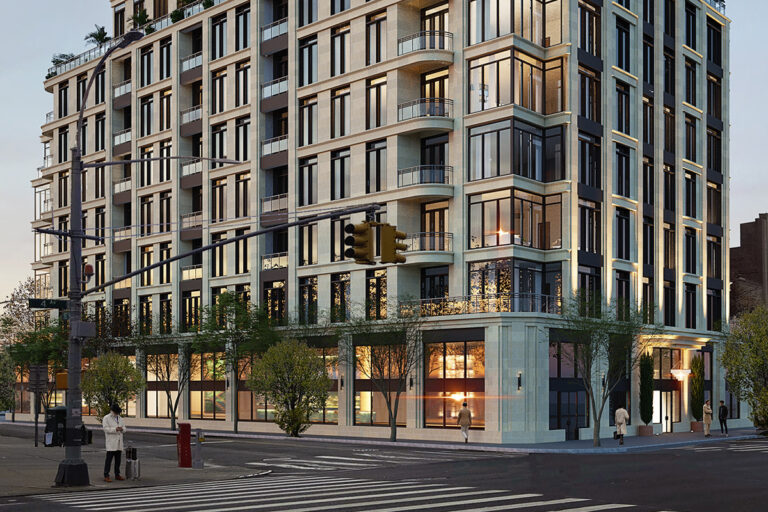
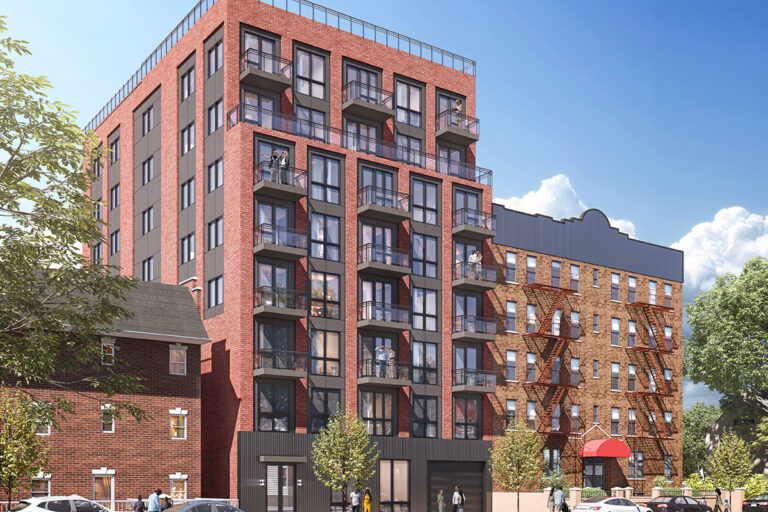
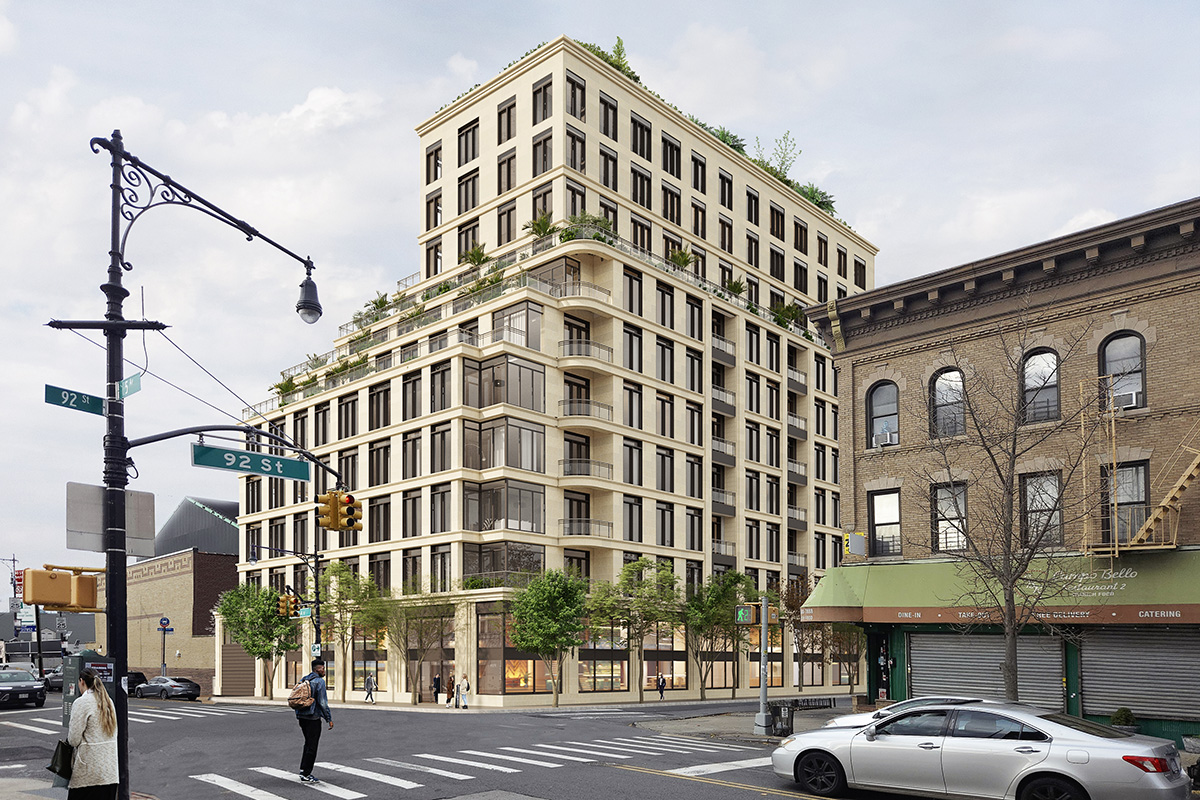
Mixed-Use Buildings: This common approach integrates multiple functions, typically ground-floor commercial space with residential units above. The commercial uses must typically be located on stories below residential uses. The “Residential Equivalent” dictates the bulk (size, height, density) regulations for the residential portion of the building. For example, a building in a C4-2 district would apply the bulk rules of an R6 residence district to its residential portion.
Purely Commercial Buildings: A developer can choose to build an entire building dedicated to commercial uses (e.g., retail, offices, hotels).
Purely Residential Buildings: You are generally permitted to build a building used entirely for residences in most commercial districts, with some exceptions. For an all-residential building, the entirety of the project is governed by the bulk regulations of the specified residential equivalent district.
Below is a list of commercial zoning districts in NYC and their residential equivalents. Only commercial zoning districts with residential equivalents are listed. Not all Commercial districts have a residential equivalent.
| Commercial Zoning District | Equivalent Residential Zoning District | |
|---|---|---|
| C3 | R3-2 | |
| C4-1 | R5 | |
| C4-2, C4-3, C6-1A | R6 | |
| C4-2A, C4-3A | R6A | |
| C1-6, C2-6, C4-4, C4-5, C6-1 | R7-2 | |
| C1-6A, C2-6A, C4-4A, C4-4L, C4-5A | R7A | |
| C4-5D | R7D | |
| C4-5X | R7X | |
| C1-7, C4-2F, C4-8, C6-2 | R8 | |
| C1-7A, C4-4D, C6-2A | R8A | |
| C1-8 C2-7 C4-9 C6-3 | R9 | |
| C1-8A, C2-7A, C6-3A | R9A | |
| C6-3D | R9D | |
| C1-8X, C2-7X, C6-3X | R9X | |
| C1-9, C2-8, C4-6, C4-7, C5, C6-4, C6-5, C6-6, C6-7, C6-8, C6-9 | R10 | |
| C1-9A, C2-8A, C4-6A, C4-7A, C5-1A, C5-2A, C6-4A | R10A | |
| C6-4X | R10X | |
| C4-11, C6-11 | R11 | |
| C4-11A | R11A | |
| C4-12, C6-12 | R12 |
Zoning Districts Without Residential Equivalents
C7 and C8 zoning districts do not have residential equivalents.
C7 districts which are minimally mapped in NYC are reserved for amusement parks.
C8 Zoning Districts only allow for commercial uses with no residential equivalent. With growing need for housing in New York City it may be possible to request rezoning of C8 districts to commercial districts with residential equivalents through the Uniform Land Use review Procedure (ULURP) in NYC. We are currently working on rezoning a C8-3 district in Manhattan which the Department of City Planning is very supportive of our proposal.
You can read more about Rezonings in another post we wrote on the NYC Rezoning Process.
Commercial Overlays
- Commercial Overlays: These are small-scale commercial zones mapped within a residential district (e.g., a C1-3 overlay on an R6 block).
- Residential Rules: The residential bulk and density are governed by the underlying residence district (the “R” zone), not an equivalent.
- Limitations: Commercial use can be restricted to the ground floor or second story and is often limited to local retail and service needs.
- City of Yes for Housing Opportunity: Certain zoning districts now allow for increased residential density above ground-floor retail to encourage “Town Center” style mixed-use development.
- Residential Equivalents: These apply only to stand-alone Commercial Districts (e.g., C4-4, C6-2).
- Residential Rules: Because there is no underlying “R” zone, the city assigns a Residential Equivalent to set the bulk, height, and setback regulations for any housing built there.
Residential Equivalents
Understanding Residential Equivalents is vital for navigating New York City’s complex development landscape when planning a development. As an architect I spend a great deal of time learning about zoning and working on implementing these concepts into practice. I can assure you New York City zoning is complex but there is plenty of opportunity to use these regulations to your favor and produce a development that is not only profitable but also provides much needed housing and services to the community.
Thank You for Reading Our Article on NYC Residential Equivalents in Commercial Zoning Districts
I hope this was helpful. If you would like to speak with an architect about a potential project, please get in touch with us directly at Vinculum Architecture.
Request a Consultation With Vinculum Architecture
This post was written by Jorge Fontan AIA a Registered Architect and owner of New York City based architecture firm Vinculum Architecture. Jorge Fontan has earned 3 degrees in the study of architecture including two degrees from the City University of New York and a Masters Degree in Advanced Architectural Design from Columbia University. Jorge has a background in construction and has been practicing architecture for 20 years where he has designed renovations and new developments of various building types.