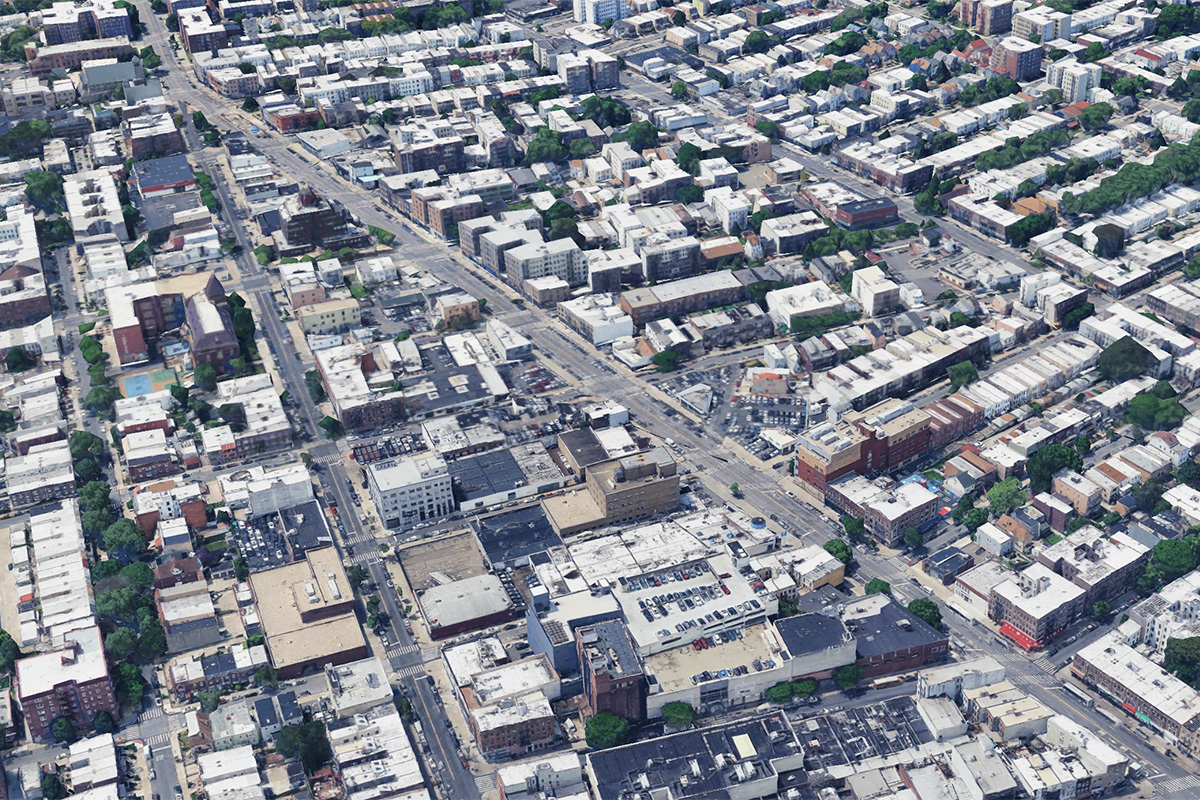
On November 4, 2025, a ballot measure to create an Affordable Housing Appeals Board was voted into effect. This change introduces a new pathway for approving certain residential land use applications that were previously denied by the City Council.
The Affordable Housing Appeals Board consists of a three-person panel: the Mayor, the Speaker of the City Council, and the local Borough President. If a proposed development that includes affordable housing is rejected by the Council, the applicant can now appeal to this board. The board can overturn the Council’s decision and approve a denied application.
My name is Jorge Fontan, and I am the founder and owner of Vinculum Architecture, an architecture firm based in Manhattan. Our firm works extensively on rezoning properties and navigating NYC’s complex land use review procedures (ULURP). This article will explore the implications of the Affordable Housing Appeals Board and its potential to boost the city’s residential development efforts.
ULURP Applications
The Uniform Land Use Review Procedure (ULURP) is the process through which the New York City Planning Commission and New York City Council‘s actions regarding land use are reviewed. This procedure applies to various applications, including those for special permits and rezonings.
Previously, any land use application moving through ULURP required a majority “yes” vote from the City Council to pass. Due to the passing of the Affordable Housing Appeals Board applicants have a second chance for approval after receiving a disapproval form City Council.
The ULURP process is notoriously lengthy, costly, and complex. Property owners and developers historically faced significant financial risk, investing time and money into proposals that could ultimately be disapproved at the final legislative stage. Now, with the establishment of the new Affordable Housing Appeals Board, applicants have a mechanism to appeal certain land use decisions, potentially increasing their chances of successfully navigating and completing the ULURP process.
2 Regulations
Applications must still complete the standard ULURP process and receive a formal disapproval from the City Council before an appeal can be filed with the Affordable Housing Appeals Board. If the City Council approves the application at the conclusion of the ULURP process, seeking an appeal is unnecessary. The right to request a review from the Appeals Board is specifically triggered only after the City Council casts a “no” vote.
Only ULURP applications that facilitate the creation of affordable housing are eligible for an appeal to the Affordable Housing Appeals Board. The developments do not have to consist entirely of affordable units; they can be mixed-income projects that combine market-rate apartments with permanently income-restricted housing units. Qualifying projects generally involve those subject to the city’s Mandatory Inclusionary Housing (MIH) program or equivalent programs, ensuring a percentage of affordable residences for qualifying tenants.
- The Mayor.
- The Speaker of the City Council.
- The President of the Borough where the proposed land use action is located.
Projects and Developments That Will Be Affected
Two primary application types can potentially benefit from the new regulations: Rezonings and Special Permits as long as the application include some amount of affordable housing development.
Rezonings: These applications request a change of the zoning district for a specific property or area, such as changing a manufacturing zone to a residential one or Upzoning an existing residential district. An Upzoning, for example, changes a zoning district like R3X to R6A, allowing for significantly greater development opportunities due to increased density and height limits. For more information on this process, we have another post, which highlights our successful approval from the City Council in 2025 for an R3X to R6A Upzoning in Brooklyn.
Special Permits: These permits are for specific uses that are not allowed by default but might be compatible with the zoning district under certain conditions outlined in the New York City Zoning Resolution. They are discretionary actions for specific conditions defined in the Zoning Resolution and often involve a detailed review of a project’s impact.
Both application types involve a comprehensive public review process, the Uniform Land Use Review Procedure (ULURP), includes a review by the Department of City Planning and a vote from the City Council, and now the option for appeal from the Board.
Potential Impacts on Development and Housing
As an architect working on residential development projects throughout New York City, I consider this a significant step towards progress. Providing applicants an opportunity to appeal Land Use actions could pave the way for future developments that might have otherwise been infeasible, thereby creating a greater volume of both market-rate and affordable housing. A higher approval rate for Uniform Land Use Review Procedure (ULURP) applications will substantially increase development across the city, building the much-needed housing inventory.
Furthermore, the economic gains for our city are essential to consider. Increased construction activity stimulates the economy, supports local jobs, and provides more housing options for residents searching for homes throughout NYC.
Affordable Housing Appeals Board
It is important to note that all applications must still navigate the entire Uniform Land Use Review Procedure (ULURP) process. The primary benefit of the new regulations is offering applicants a second chance after an initial disapproval vote. While some applications may still face denial during the appeal, an applicant’s chance of approval increases significantly if they can effectively demonstrate that their proposal is appropriate for the site and provides a clear benefit to the surrounding community.
As an architect working on Rezonings, Special Permit applications, and new building designs throughout New York City, I can assure you that the preliminary planning of these applications is critical to their success. At our architecture firm we always begin each project with a comprehensive understanding of the current neighborhood and relevant contextual issues. Our goal is to propose a project that maximizes development potential without overwhelming its surroundings or triggering a “no” vote from reviewing bodies. The key to success is achieving this balance and understanding the requirements, expectations, and necessary path to project approval.
Thank You for Reading Our Article on the Affordable Housing Appeals Board.
I hope this was helpful. If you would like to speak with an architect about a potential project, please get in touch with us directly at Vinculum Architecture.
Contact Vinculum Architecture
This post was written by Jorge Fontan AIA a Registered Architect and owner of New York City architecture firm Fontan Architecture. Jorge Fontan has earned 3 degrees in the study of architecture including two degrees from the City University of New York and a Masters Degree in Advanced Architectural Design from Columbia University. Jorge has a background in construction and has been practicing architecture for 20 years where he has designed renovations and new developments of various building types.